

The 3rd CMES research exchange event, the CMES workshop for Launching Interdisciplinary Communication and Knowledge sharing (CLICKs), was held.
2026.07.13
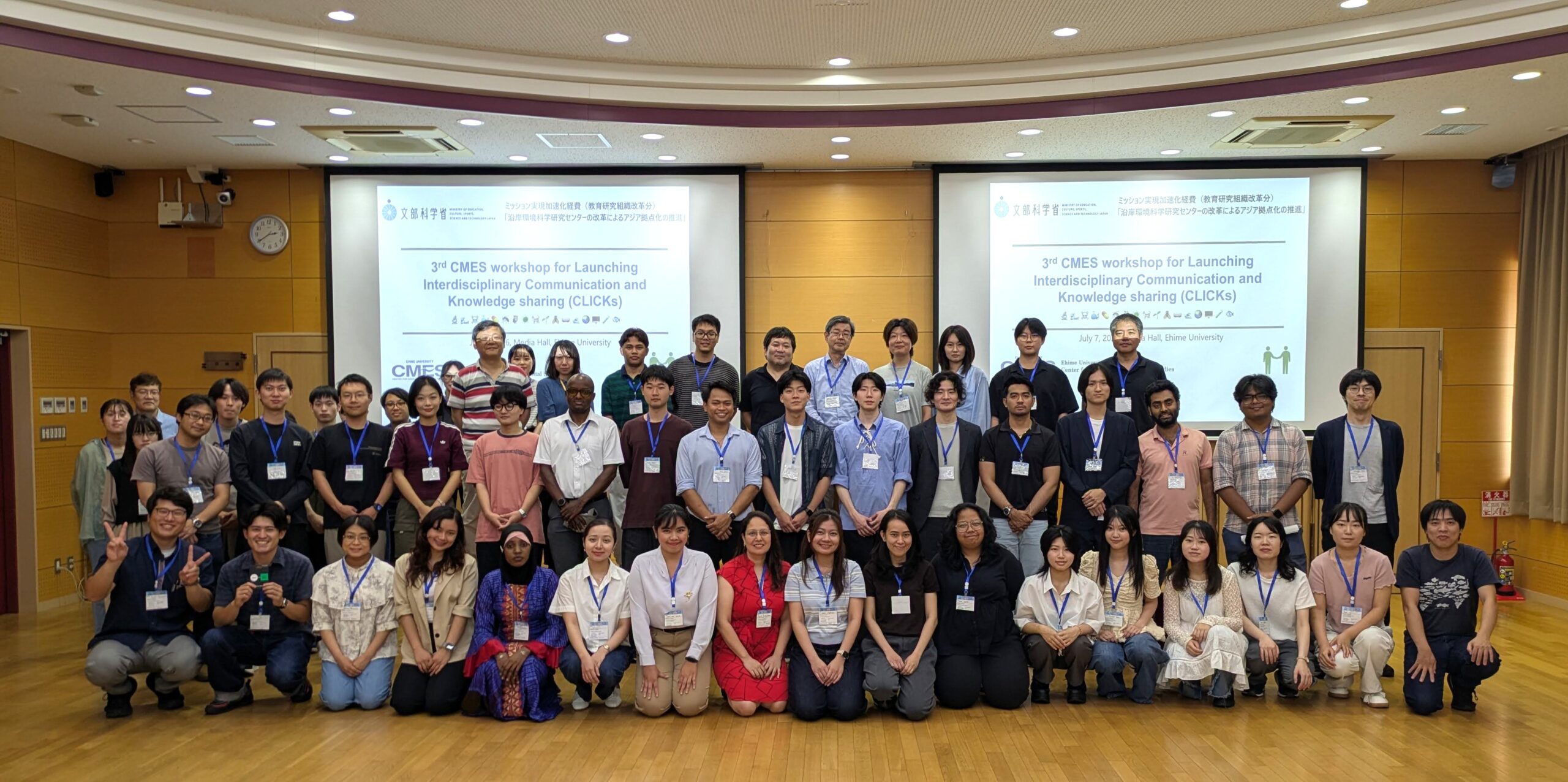
CMES consists of three research divisions: the Division of Environmental Dynamics, the Division of Chemistry and Ecotoxicology, and the Division of Ecosystem Health Sciences. Drawing on this structure, CMES conducts a wide range of research from diverse perspectives, including physics, chemistry, and biology. To make use of these strengths and promote research exchange across divisions and disciplines, the third CLICKs workshop, “CMES workshop for Launching Interdisciplinary Communication and Knowledge sharing,” was held on July 7, 2026, primarily for graduate students and early-career researchers.
CLICKs is centered on student-led poster presentations, providing opportunities to present even when a project is still in its early stages and does not yet have extensive data or finalized results. By creating an environment where participants can casually exchange ideas from the initial stages of their research, the workshop aims to lower the barriers to presenting and encourage open and active discussion.
This third CLICKs event brought together approximately 70 participants and featured 45 poster presentations. As a new initiative, this year’s CLICKs also included laboratory introduction sessions and research presentation sessions by early-career researchers who are actively conducting collaborative research across divisions.
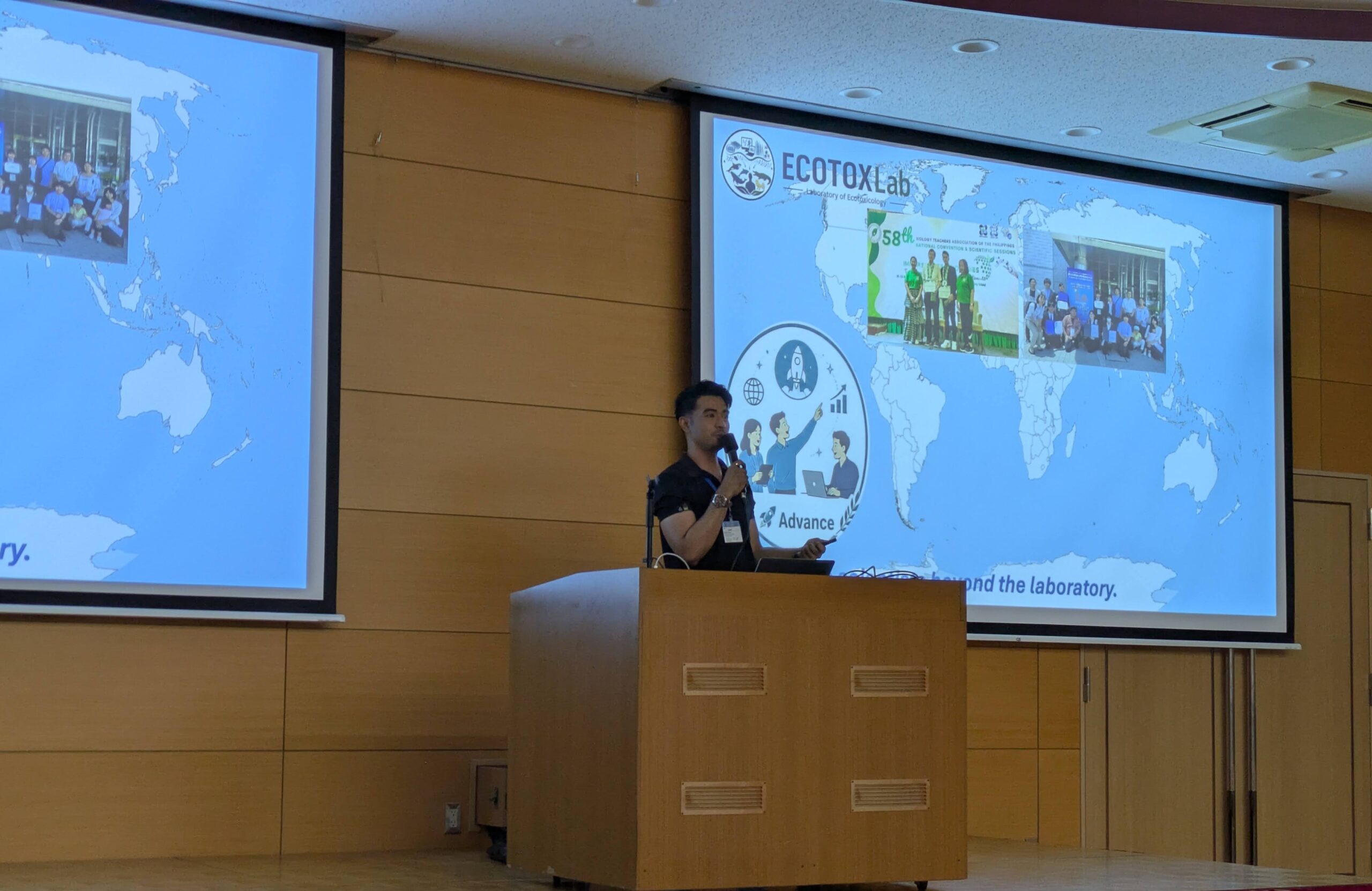
In the laboratory introduction sessions, presenters shared not only their research topics but also the atmosphere and culture of their laboratories. Some presentations incorporated quizzes about laboratory culture, making the session unique and reflective of the distinctive characteristics of each laboratory. For participants, it was a valuable opportunity to learn about the research visions of each laboratory and the environments in which their research is conducted.
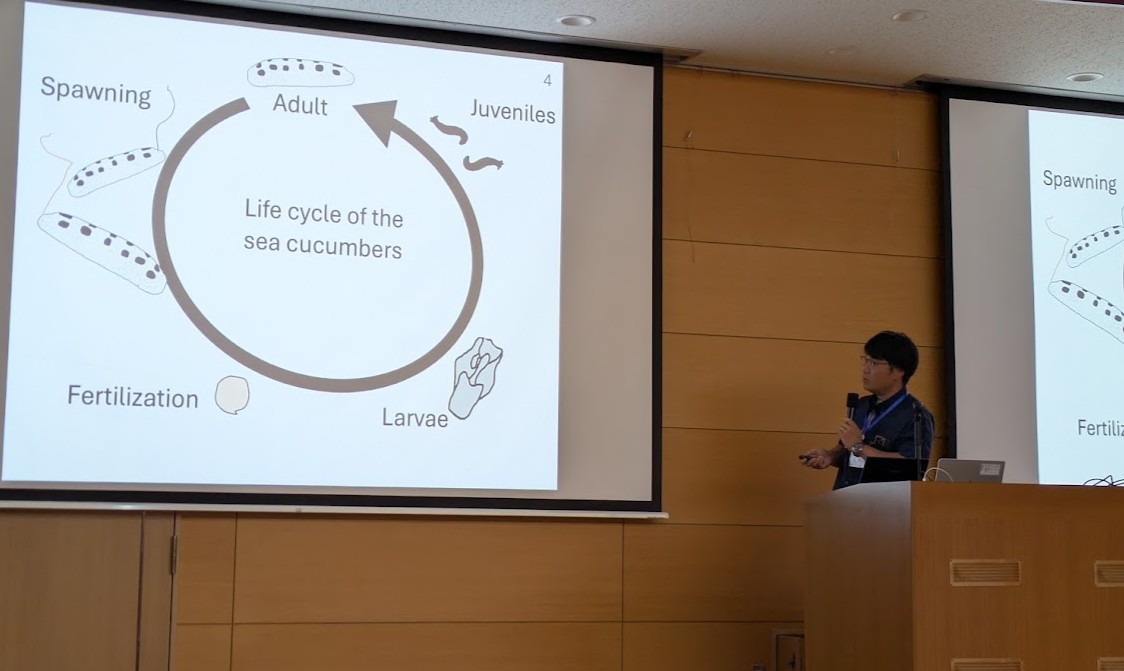
The presentations by early-career researchers involved in cross-divisional collaborative research introduced a study that combines biological and physical approaches to better understand the ecology of coastal benthic organisms. The presentation also shared how the collaboration was formed, the benefits gained through interdisciplinary cooperation, and the challenges encountered in carrying out the research. It was a meaningful session that provided useful insights for developing future collaborations across divisions and disciplines.
CMES is home to many international students, and, as in previous events, all posters were prepared in English, while participants were free to choose the language used for discussions. At the venue, many Japanese undergraduate and master’s students were seen giving presentations and engaging in discussions in English. Through such casual presentation opportunities, students and early-career researchers are expected to gain confidence in presenting in English and develop practical communication skills.
Going forward, we aim to create opportunities for exchange not only through workshops but also through various forms of interaction, enabling students to share the questions and concerns they encounter in their daily research lives. We hope that these exchanges will serve as a starting point for future interdisciplinary collaborative research. We will continue our efforts to ensure that the accumulation of such interactions provides students and early-career researchers with practical opportunities to learn research presentation and communication skills, and supports a more fulfilling research life.