

We organized the JSPS Core-to-Core Symposium on One Health Approaches to Chemical Risk Management 2026.
2026.10.14
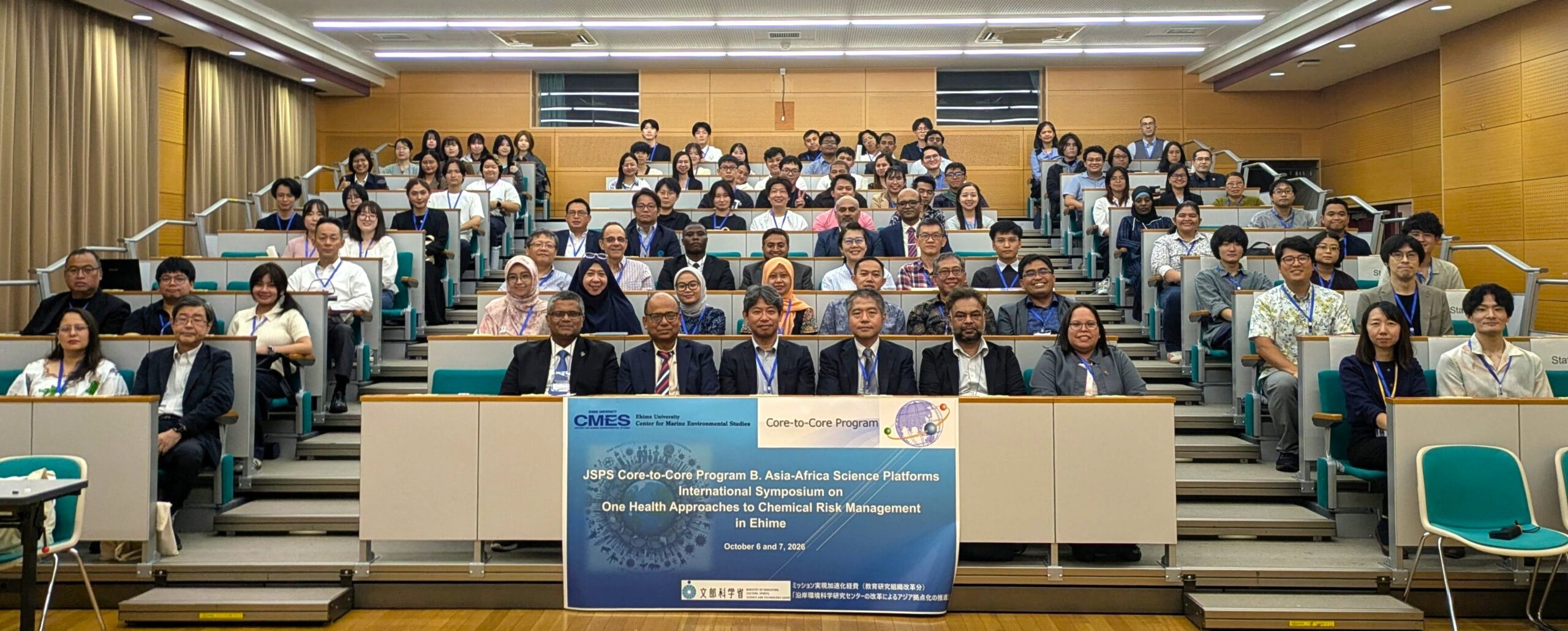
The Center for Marine Environmental Studies (CMES) held the “JSPS Core-to-Core Symposium on One Health Approaches to Chemical Risk Management in Ehime 2026” on October 6–7, 2026.
The symposium brought together researchers to share the latest findings on the comprehensive assessment of the impacts of chemicals used in various sectors, including medicine, agriculture, aquaculture, and livestock production, on human health, the environment, and ecosystems, with the aim of contributing to sustainable development in South and Southeast Asia. Approximately 50 researchers from five South and Southeast Asian countries were invited to participate. Through active discussions on the environmental and public health challenges faced by each country and potential solutions, the symposium provided a valuable opportunity to strengthen international research networks.
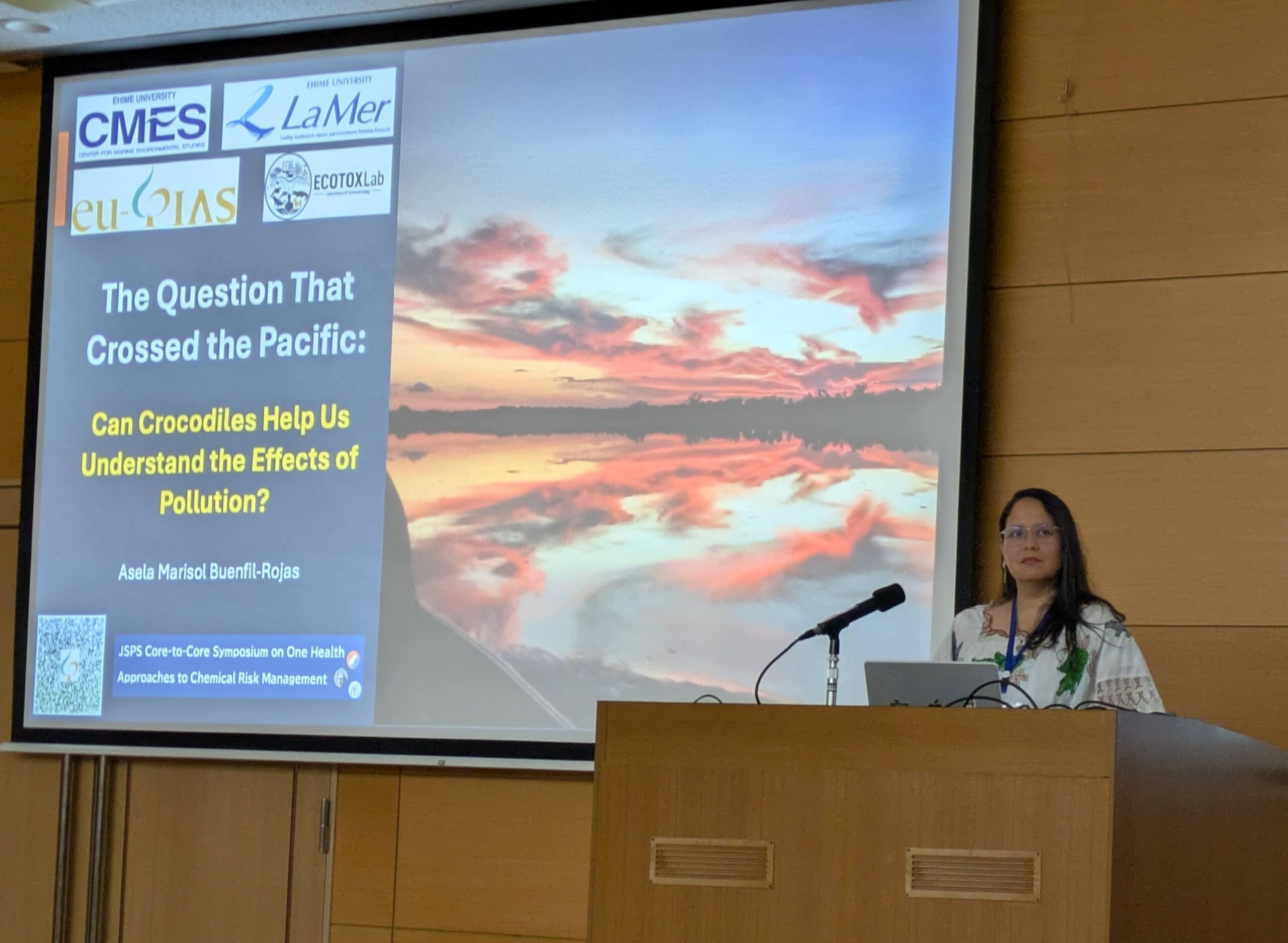
The two-day symposium attracted approximately 140 participants and featured 24 oral presentations and 67 poster presentations. In the plenary lecture, Dr. Asela Marisol Buenfil-Rojas of Ehime University presented her research on assessing the effects of environmental pollution on crocodiles inhabiting southern Mexico using non-lethal sampling techniques. Her presentation also included videos documenting actual fieldwork, offering insights into aspects of the research process that are rarely highlighted in scientific publications. These videos provided participants with a valuable opportunity to gain a deeper understanding of the background of the research and the practical challenges of conducting field studies. In addition, presentations on efforts to translate basic research into practical applications, as well as contributions from industry representatives, broadened the scope of the symposium compared with previous years, highlighting a diverse range of research findings and initiatives.
The poster sessions, primarily featuring students and early-career researchers, showcased a wide variety of research topics, including environmental contamination by PFAS and microplastics, the dynamics of antimicrobial-resistant bacteria, changes in marine environments, and the toxicity assessment and removal of chemical pollutants.
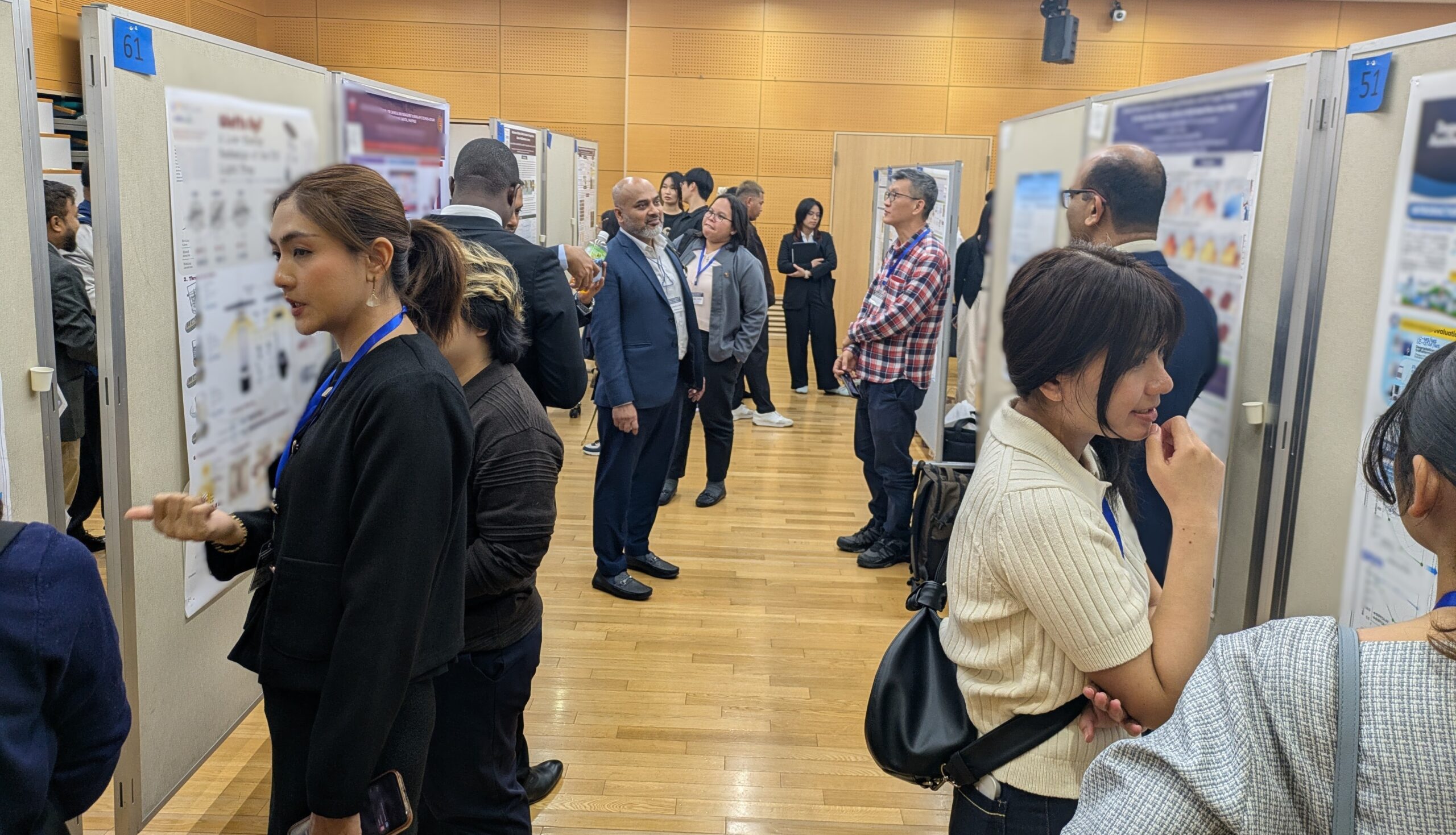
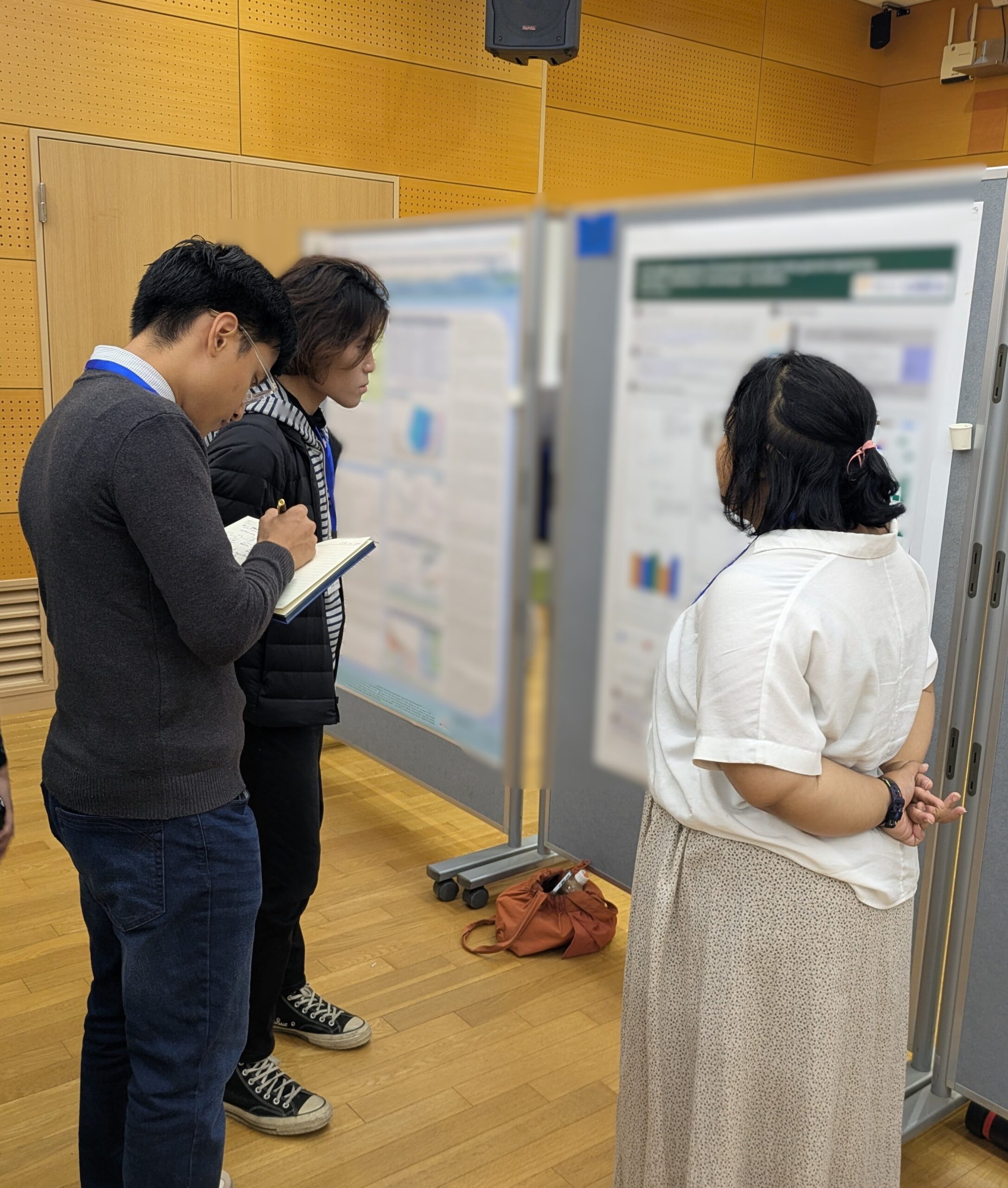
In particular, numerous presentations addressed the status of environmental contamination in aquatic environments and ecosystems across South and Southeast Asia, as well as potential measures to mitigate these issues. These presentations provided an opportunity to share and better understand the environmental challenges specific to each region. The poster sessions also facilitated exchanges among researchers from different disciplines, countries, and regions, helping to build connections that may lead to future international collaborative research.
The three-year JSPS Core-to-Core Program will conclude this fiscal year, making this symposium an important milestone in the initiative. The connections established among researchers through the program are expected to develop into further collaborative research activities. However, collaborative research between CMES and research institutions in partner countries will continue beyond the completion of the program. CMES intends to organize future symposia and other opportunities for scientific discussion and exchange in various formats, further developing the international and interdisciplinary research networks established over the past three years. Through these continued efforts, CMES aims to contribute to the realization of a sustainable society in South and Southeast Asia.